Worried about dental pain and wondering which treatment may feel more uncomfortable? The answer is not the same for everyone. Dental Crowns in Bridgeland, AB, and root canal treatment are used for different dental problems, so the level of discomfort can depend on the condition of the tooth and the treatment required.
Understanding the difference between these treatments can help explain what to expect before, during, and after care.
Root Canal vs Crown Pain: What Is the Difference?
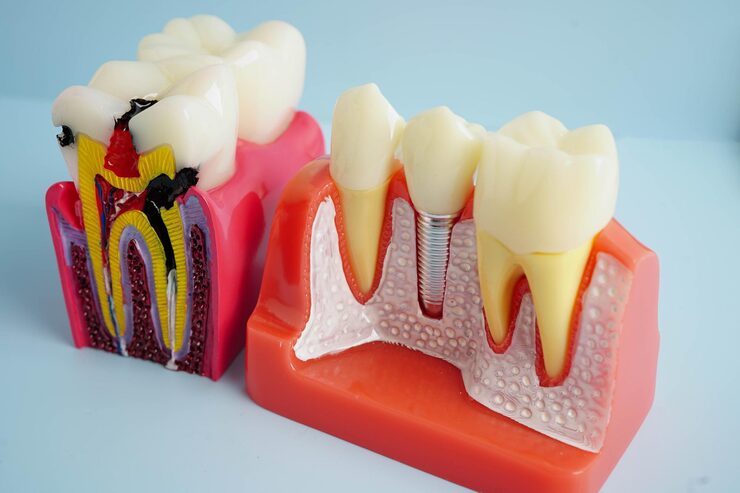
A root canal treats the inside of a tooth when the soft tissue inside has become infected or badly damaged. A crown, on the other hand, covers and protects a weakened or damaged tooth.
Because they serve different purposes, comparing pain between the two is not always straightforward.
In general:
A crown placement is often associated with mild soreness or sensitivity afterward.
Root canal treatment may involve more discomfort before treatment if the tooth is infected or inflamed.
Both treatments are performed with local anesthesia to help keep the area numb during care.
The condition of the tooth before treatment can affect the overall experience.
Does a Root Canal Cause More Discomfort Than a Crown?
The question, does a root canal hurt more than a crown, is common among patients who are deciding between treatment options. However, a root canal and a crown are not usually interchangeable treatments.
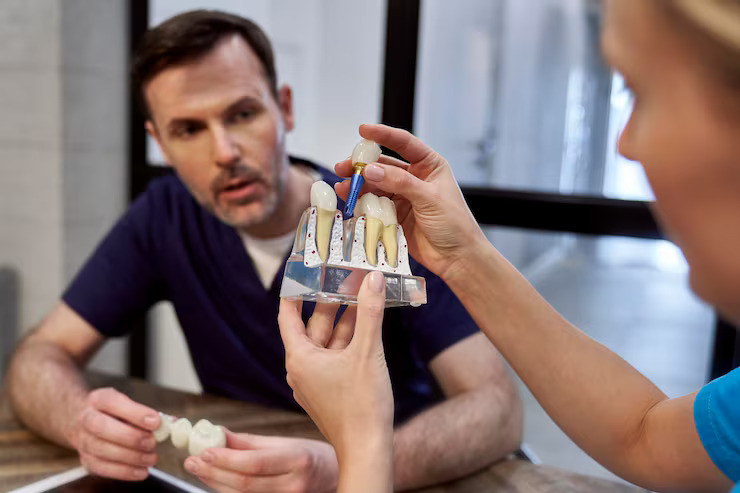
A root canal treats an infection or damage inside a tooth. After the treatment, a crown may be placed to protect and strengthen the tooth. Sometimes, a crown is needed without a root canal if the tooth is damaged but the inside of the tooth is still healthy.
The discomfort experienced may depend more on the underlying dental problem than the name of the treatment.
What Does Root Canal Treatment Feel Like?
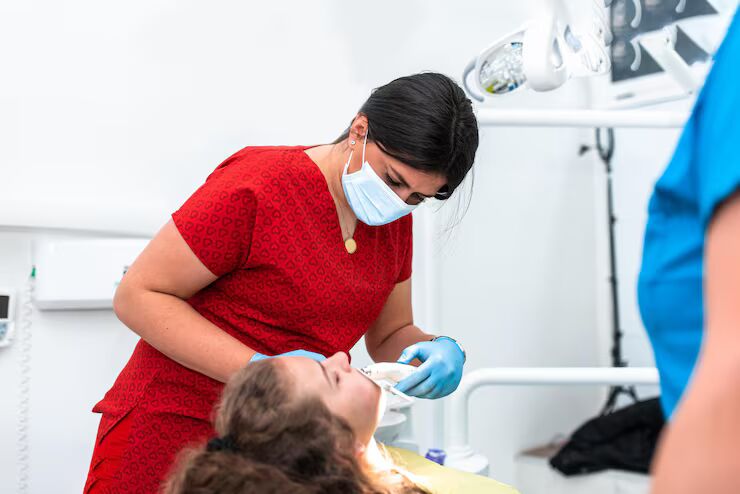
During root canal treatment, local anesthesia is used to numb the tooth and surrounding area. This helps reduce discomfort while the dentist cleans the infected or damaged tissue from inside the tooth.
After treatment, some tenderness may occur as the surrounding area settles. This discomfort is often temporary, but every patient responds differently.
It is important to contact a dental professional if pain becomes severe, continues to worsen, or does not improve as expected.
What Does Getting a Dental Crown Feel Like?
Getting a crown usually involves preparing the tooth so the crown can fit properly. The area is numbed during treatment, which helps reduce discomfort.
Afterward, the tooth may feel sensitive or slightly sore for a short time. The bite may also feel different until the tooth becomes accustomed to the new crown.
If the crown feels too high when biting or causes ongoing discomfort, an adjustment may be needed.
Why Might a Tooth Hurt Before Treatment?
Sometimes, the pain associated with dental treatment comes from the condition of the tooth rather than the treatment itself.
A tooth may become painful because of:
- Deep decay
- Infection
- A crack or fracture
- Damage to the inner tooth tissue
- Inflammation
- Pressure from biting
A dental clinic in Bridgeland can examine the tooth and determine whether the problem requires a root canal, crown, filling, or another form of care.
Which Treatment Has a Longer Recovery?
The time needed to recover may differ based on the tooth’s condition and the treatment you receive.
After a root canal, the tooth may feel tender for several days. A crown may also cause temporary sensitivity, especially when exposed to hot or cold foods.
Following care instructions can support recovery. It may also be helpful to avoid putting excessive pressure on a treated tooth until the dental professional confirms that normal use is appropriate.
Can a Crown Be Needed After a Root Canal?
Yes. A crown may be recommended after root canal treatment, especially when a tooth has lost significant structure.
The root canal addresses the problem inside the tooth, while the crown helps protect the remaining tooth from further damage. However, not every tooth requires the same type of restoration.
The recommended treatment depends on the amount of healthy tooth structure that remains and the location of the tooth.
How Can You Prepare for Dental Treatment?
Knowing what to expect can help you feel at ease. Talk to your dentist about any concerns before treatment.
- Ask why the treatment is needed.
- Share concerns about pain or sensitivity.
- Follow all care instructions.
- Take medication as directed.
- Contact your dentist at a dental clinic near you about unusual symptoms.
Ready to Take the Next Step Toward a Healthier Tooth?
Are you dealing with tooth pain, sensitivity, or damage that is making everyday activities uncomfortable? Getting your tooth checked early can help find the underlying problem and guide you toward the right treatment. Book your appointment with Bridgeland Crossings Dental to discuss your concerns, explore your treatment options, and take the next step toward better oral health.
FAQs
Is a root canal more painful than getting a crown?
Not always. Both treatments are usually done with local anesthesia. Any discomfort depends more on the condition of the tooth and your individual response than on the treatment itself.
Does a crown hurt after it is placed?
Mild sensitivity or soreness may occur after crown placement. If discomfort continues or the bite feels uneven, the tooth should be checked.
Why might a tooth need both a root canal and a crown?
A root canal treats infection or damage inside the tooth, while a crown can help protect a weakened tooth afterward. The two treatments may be recommended together when appropriate.
How long does discomfort last after treatment?
Temporary soreness or sensitivity may occur after either treatment. The length of recovery varies, so persistent or worsening pain should be evaluated.