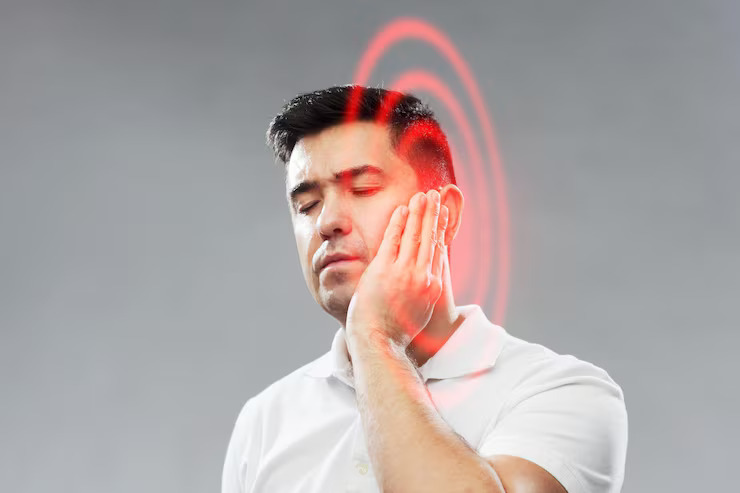
Jaw pain can make everyday activities such as eating, speaking, yawning, and opening your mouth uncomfortable. The discomfort may be felt around the jaw, near the ears, or along the side of the face. In some cases, you may also notice clicking, stiffness, or trouble moving your jaw normally. TMJ Treatment in Bridgeland, AB can help identify the reason for these symptoms and guide you toward suitable care. TMJ pain does not always have one clear cause. Clenching your teeth, jaw injuries, arthritis, or repeated strain may all play a role.
Understanding the possible causes and treatment choices can help you know when it is time to have ongoing jaw pain checked.
What Are the Common TMJ Pain Causes?
There are several possible TMJ pain causes, and more than one factor may contribute to your discomfort. Some causes place extra pressure on the jaw joints or the muscles that help your jaw move.
Common causes include:
- Teeth clenching or grinding: Putting too much pressure on your teeth can strain your jaw muscles and joints.
- Jaw injury: An injury to your jaw can affect how it moves.
- Arthritis: Arthritis can cause jaw pain, stiffness, and trouble moving the jaw.
- Muscle tension: Tight jaw muscles may make movement uncomfortable.
- Repeated jaw strain: Frequent gum chewing or other habits may put extra stress on the jaw.
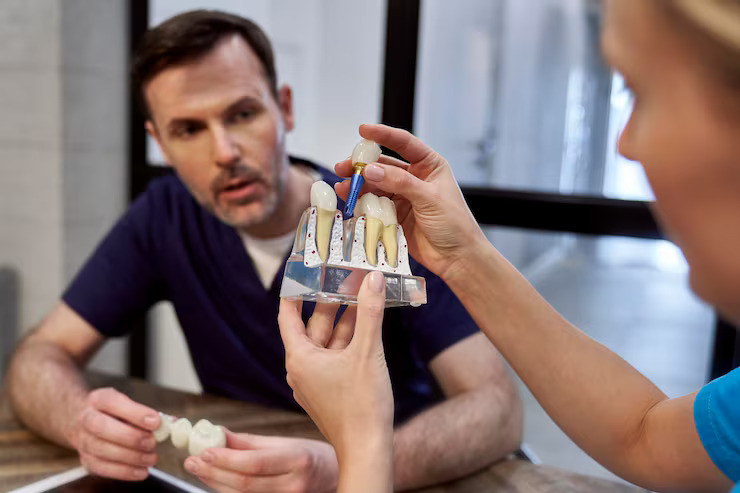
Finding the likely cause is important because treatment can vary depending on what is affecting your jaw.
What Are the Symptoms of a TMJ Disorder?
Recognizing TMJ disorder symptoms can help you decide when professional care may be useful. The symptoms can be mild, occasional, or more persistent.
You may notice:
- Pain or tenderness around the jaw
- Pain near the ear or side of the face
- Clicking or popping when moving the jaw
- Jaw stiffness
- Difficulty opening the mouth fully
- Pain while chewing
- Headaches that occur with jaw discomfort
- A feeling that the jaw is not moving normally
A clicking sound by itself does not always mean that treatment is needed. Pain, limited movement, or symptoms that affect daily activities deserve closer attention.
How Is TMJ Pain Diagnosed?
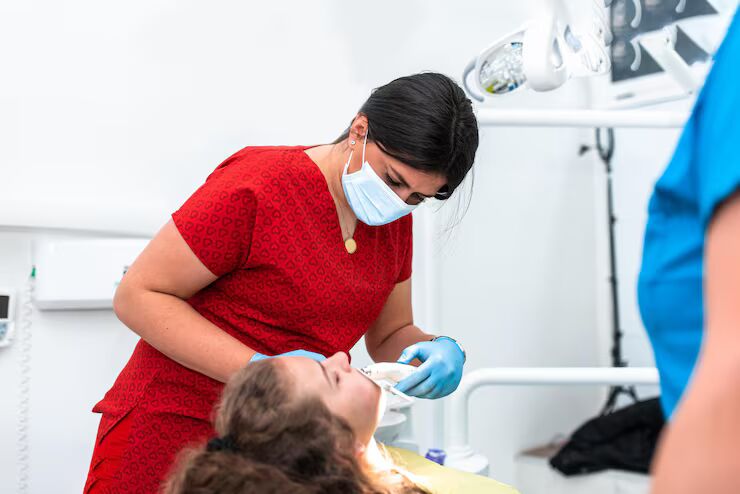
A dental evaluation usually begins with questions about your symptoms, when they started, and what makes them better or worse. Your jaw may then be checked for movement, tenderness, and unusual sounds.
Your teeth and bite may also be examined because clenching, grinding, or changes in the way your teeth meet can sometimes affect jaw comfort. Dental images may be recommended when more information is needed.
A proper evaluation at a dental clinic near you helps separate TMJ-related discomfort from other possible sources of jaw or facial pain.
What Is the Treatment for TMJ Pain?
TMJ Treatment in Bridgeland, AB depends on the cause and severity of your symptoms. Care often starts with simple approaches designed to reduce pressure on the jaw and improve comfort.
Depending on your needs, treatment may include:
- Eating softer foods for a short time
- Avoiding gum chewing and other habits that strain the jaw
- Using warm or cold compresses as advised
- Taking recommended medication when appropriate
- Following exercises or jaw-care instructions
- Using a custom oral appliance in selected cases
- Receiving additional treatment when a specific joint problem needs attention
The goal is to choose care that matches the reason for your symptoms rather than using the same treatment for every case.
When Should You See a Dentist for Jaw Pain?
Mild jaw pain may get better with rest and by putting less stress on your jaw. But if the pain continues or gets worse, see a dentist, especially if it makes eating, speaking, sleeping, or moving your mouth difficult.
If you are looking for a dentist in Bridgeland, an evaluation can help determine whether your symptoms are linked to a TMJ disorder or another dental concern. Early assessment may also help identify habits or conditions that could continue to place stress on your jaw.
Can TMJ Pain Be Prevented From Getting Worse?
Some everyday habits may place extra stress on the jaw. Reducing these habits may help limit discomfort while you follow the care recommended for your symptoms.
Helpful steps may include:
- Avoid chewing gum for long periods.
- Try not to clench your teeth when you are not eating.
- Choose softer foods when chewing causes discomfort.
- Avoid opening your mouth extremely wide.
- Follow the treatment and home-care instructions provided during your evaluation.
If symptoms continue despite these changes, further assessment may be needed.
Get Help for Ongoing Jaw Discomfort!
Persistent jaw pain can interfere with simple daily activities. Understanding the cause is an important first step toward choosing suitable care.
Book an appointment with Bridgeland Crossings Dental to discuss your jaw symptoms and learn about appropriate treatment options.
FAQs
Can TMJ pain go away on its own?
Some jaw problems may improve with time, especially when activities that strain the jaw are reduced. If pain continues, becomes worse, or limits jaw movement, professional evaluation is recommended.
Does clicking in the jaw always mean there is a TMJ disorder?
No. Jaw clicking can occur without pain or other problems. However, clicking combined with pain, stiffness, locking, or limited movement should be assessed.
Can stress make TMJ pain worse?
Yes. Stress can make you clench your teeth or tighten your jaw muscles, which may increase jaw pain. Relaxing your jaw and following your dentist’s advice may help.
Is surgery needed to treat TMJ pain?
No, surgery is not needed for every TMJ problem. Many cases can be treated without surgery. Surgery may be considered for some serious joint problems.