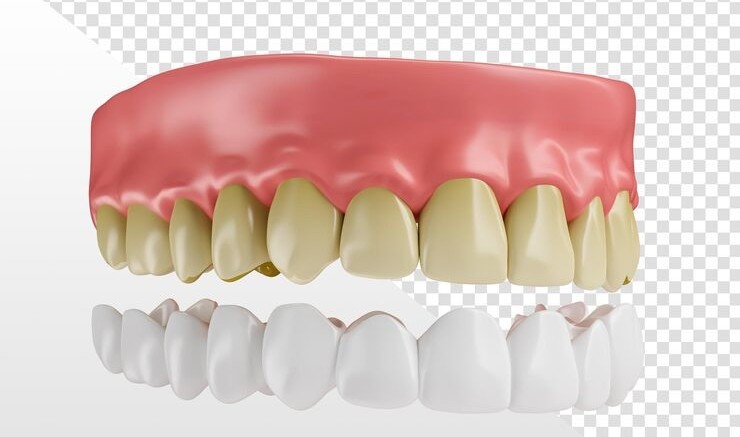
Gum disease starts when plaque and bacteria build up around the teeth, causing the gums to become red, swollen, or sore. If left untreated, it can damage the gums and bone that hold the teeth in place. Two common ways to treat gum disease are deep cleaning and laser gum therapy. Both treatments help remove harmful bacteria and improve gum health, but they work in different ways. Laser gum therapy in Bridgeland, AB, may be suitable in some cases, depending on the severity of the gum disease and the extent of damage.
Knowing how each treatment works, what happens during the visit, and how long recovery may take can help you understand your options. A dentist near you can recommend the appropriate treatment after examining your gums.
What Is Traditional Deep Cleaning for Gum Disease?
Traditional deep cleaning, also called scaling and root planing, removes plaque and hardened tartar from below the gumline. It also smooths the root surfaces, making it harder for bacteria to accumulate.
The treatment usually involves two main steps:
- Scaling: Plaque and tartar are removed from the tooth surfaces and beneath the gums.
- Root planing: Rough areas on the roots are smoothed to help the gums heal and fit more closely around the teeth.
Local anaesthesia may be used to make the treatment more comfortable. Depending on the amount of buildup and the number of affected areas, deep cleaning may be completed over one or more visits.
How Does Laser Gum Therapy Work?
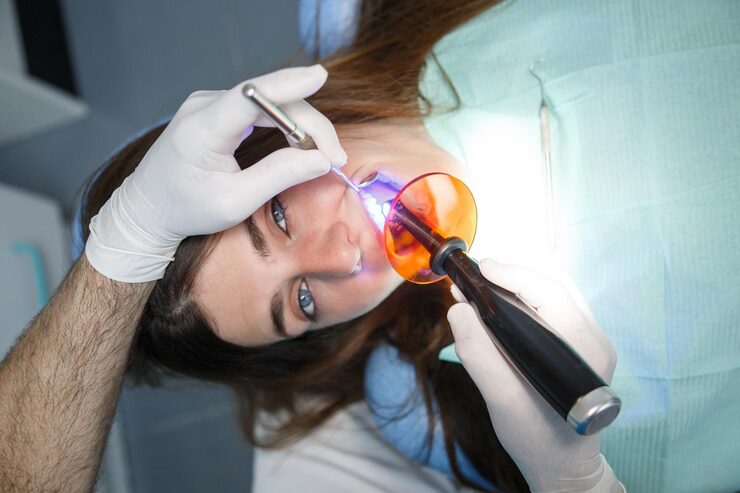
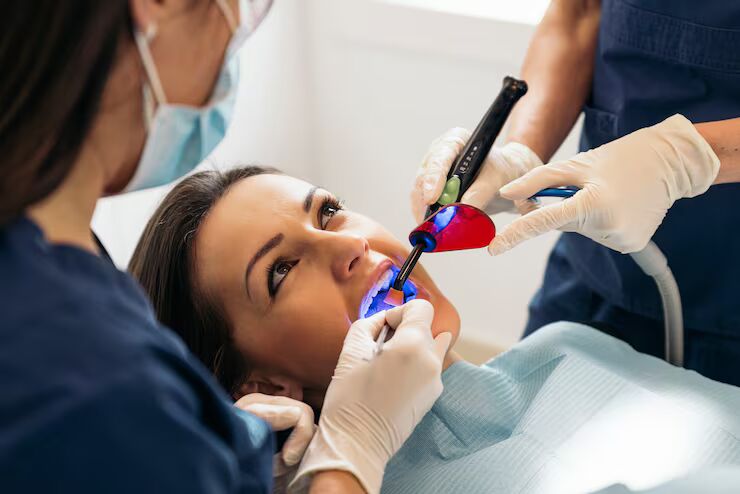
Laser gum therapy uses focused light energy to treat infected gum tissue and reduce bacteria in periodontal pockets. Depending on the treatment method, it may be used along with cleaning to remove deposits from the tooth roots.
The laser allows the dental professional to target specific areas. It may help remove diseased tissue while limiting damage to nearby healthy tissue. However, laser treatment does not replace the need to remove plaque and tartar from tooth surfaces.
Laser therapy is not suitable for every case. Its use depends on gum health, pocket depth, the amount of bone loss, and the treatment approach recommended after an examination.
Laser Therapy vs Traditional Deep Cleaning: Key Differences
Both treatments help control gum infection, but they work in different ways.
- Treatment method: Deep cleaning uses dental instruments to remove plaque and tartar from the teeth and beneath the gum line. Laser therapy uses a focused beam of light to treat certain areas of the gums.
- Treatment purpose: Deep cleaning directly removes deposits from teeth and roots. Laser treatment may help manage infected tissue and bacteria as part of a wider treatment plan.
- Comfort: Both treatments may cause some discomfort or tenderness. Local anaesthesia can help manage discomfort during treatment.
- Suitability: Deep cleaning is a common treatment for gum disease. Laser treatment may be used in some cases, depending on the condition of your gums.
- Cost and availability: Cost depends on the type of treatment, the number of visits, and the dental provider.
A dentist in Bridgeland can assess the gums and explain which method is suitable. Laser treatment is not automatically better or more effective than traditional deep cleaning.
What Is Recovery Like After Laser Gum Treatment?
Laser periodontal therapy recovery varies from person to person. Healing depends on the severity of gum disease, the areas treated, and whether other procedures are performed at the same time.
Some people may notice mild tenderness, swelling, or sensitivity after treatment. These effects usually improve as the gums heal.
Helpful recovery steps include:
- Stick to the care steps recommended by your dental team.
- Use a soft toothbrush and clean your teeth with gentle movements.
- Keep the spaces between your teeth clean as instructed.
- Eat foods that are easy to chew while your gums are healing.
- Avoid smoking, as it can slow gum healing.
- Attend follow-up visits to check the healing progress.
Good home care is important after either treatment. Laser therapy does not prevent gum disease from returning if plaque builds up again.
How Is the Right Treatment Chosen?
The best treatment depends on the stage of gum disease and the condition of the teeth, gums, and supporting bone. A dental examination may include measuring gum pockets, checking for bleeding, and taking X-rays when needed.
Traditional deep cleaning may be recommended when plaque and tartar have collected below the gumline. Laser treatment may be considered as part of care for selected periodontal conditions.
A dentist near you can explain the expected benefits, limits, risks, and costs of each option. The goal is to control the infection, protect the supporting tissues, and reduce the risk of further damage.
Get Clear Guidance on Gum Disease Treatment
Choosing between laser therapy and traditional deep cleaning starts with understanding the condition of the gums. An assessment can help identify the level of infection and the care needed to manage it. Contact Bridgeland Crossings Dental to discuss the available treatment options, understand what each involves, and plan the next steps towards healthier gums.
FAQs
Is laser gum therapy better than deep cleaning?
Not always. Both treatments help treat gum disease. The right choice depends on how bad the gum problem is. Laser treatment may work in some cases, but deep cleaning is still needed for many patients.
Can laser treatment reverse gum disease?
Early gum inflammation may improve with proper treatment and home care. However, bone loss caused by advanced gum disease usually cannot be fully reversed.
Does laser gum therapy hurt?
Some tenderness or discomfort may occur during or after treatment. Local anaesthesia may be used, depending on the procedure and the patient’s needs.
How long does recovery take after laser gum therapy?
Recovery time varies based on the treatment and the severity of gum disease. Mild tenderness may settle within a few days, but gum healing can take longer.