How long do dental implants last once a dentist replaces a missing tooth? Dental Implants in Bridgeland are meant to serve as a long-lasting alternative for a lost tooth as long as the procedure was performed properly and the patient cares for the implant. Yet, not all patients experience equal results since a number of different factors might affect the durability of an implant.
With proper care and regular professional monitoring, an implant can continue to function well and support your oral health for many years.
What Is the Typical Dental Implant Lifespan?
The dental implant lifespan can often extend for many years, and the implant itself may last for decades with proper care. However, there is no exact lifespan that applies to every patient. The artificial tooth attached to the implant may need repair or replacement sooner than the implant itself.
Several factors can affect longevity, including:
- Daily brushing and flossing
- Gum health
- Regular dental checkups
- Smoking or tobacco use
- Teeth grinding or clenching
- The condition of the jawbone
- Proper care of the replacement tooth
A dental professional at a dental clinic near you can assess these factors and recommend care based on individual needs.
How Long Do Dental Implants Last?
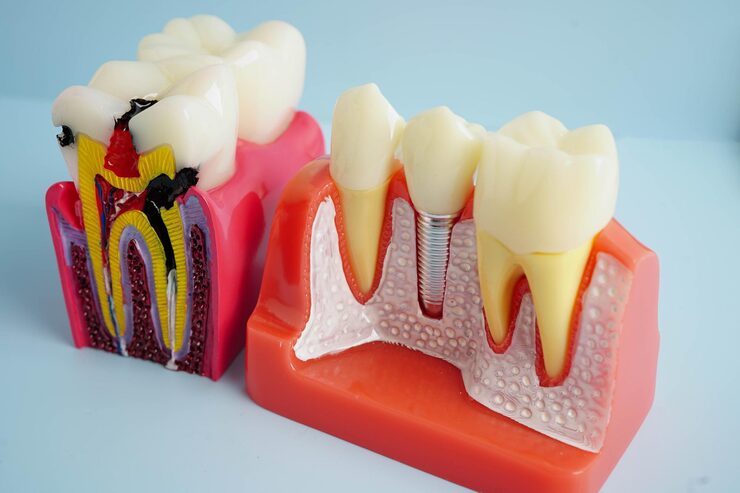
The implant portion is designed to remain in the jaw for a long period, but its success depends on the health of the tissues around it and how well it is maintained. The crown, bridge, or denture attached to the implant may have a different lifespan and can require maintenance or replacement over time.
This means implant treatment should be viewed as an ongoing part of oral care rather than a treatment that requires no future attention.
What Can Shorten the Life of a Dental Implant?
Some habits and oral health problems can affect the implant and the gums around it. Poor brushing and flossing can lead to buildup around the gums, while smoking may affect gum health and healing.
Other factors include:
- Untreated gum disease
- Poor oral care
- Regular tobacco use
- Teeth grinding or clenching
- Damage to the replacement tooth
- Waiting too long to treat dental problems
Regular dental checkups can help find problems early and allow them to be treated promptly.
How Does Dental Implant Maintenance Help?
Good dental implant maintenance is important for protecting both the implant and the surrounding gums. Even though the implant cannot develop a cavity like a natural tooth, the tissues around it still need regular care.
Daily implant care may include:
- Brush your teeth twice a day.
- Clean between your teeth every day.
- Use cleaning tools recommended by your dentist.
- Visit a dental clinic in Bridgeland for regular checkups.
- Tell your dentist about pain, swelling, bleeding, or changes around the implant.
Daily care keeps the area clean and helps spot problems early.
Can Dental Implants Fail?
Dental implants have a high rate of long-term success, but failure can occur. Problems may develop if the implant does not properly bond with the jawbone, or if the tissues around it become unhealthy.
Warning signs that should be checked include:
- Persistent discomfort
- Swelling around the implant
- Bleeding during cleaning
- A feeling that the implant or replacement tooth is loose
- Changes in how the bite feels
These symptoms do not always mean an implant has failed, but a dental professional should evaluate them.
Does Age Affect Dental Implant Lifespan?
Age alone does not determine how long an implant can last. Overall health, bone condition, gum health, and daily oral care are more important factors when planning and maintaining implant treatment.
Age is not the only factor that affects dental implants. An older adult with healthy gums may do well, while a younger person with gum disease or poor oral care may face problems. Each case needs a dental checkup.
Do Dental Implants Need to Be Replaced?
The implant itself may remain in place for many years, but the visible replacement tooth can experience normal wear. Crowns, bridges, and other implant-supported restorations may eventually need repair or replacement depending on their condition.
Replacement does not necessarily mean that the implant underneath has failed. A dental professional can examine the implant and restoration separately to determine what care is needed.
Keep Your Implant Smile Healthy for the Long Term!
Are you worried about a current dental implant or wish to find out how to take care of an existing one? An expert assessment can assist in examining the implant, adjacent gums, and substitute tooth while offering personalized upkeep advice. Schedule an appointment with Bridgeland Crossings Dental to learn about your needs with implants and keep your smile healthy.
FAQs
Can dental implants last a lifetime?
Dental implants are made to last for many years, but their exact lifespan can vary. Good oral care, regular dental visits, and overall oral health can affect how long they last.
Do dental implants need special cleaning?
Implants need daily cleaning, including around the implant and replacement tooth. Your dentist can show you the best way to clean them based on your needs.
Can smoking affect dental implants?
Yes. Smoking can harm gum health and may affect healing around the implant. Avoiding or reducing tobacco use can help support healthier gums and overall oral health.
What happens if a dental implant becomes loose?
A loose implant or replacement tooth should be checked promptly. The cause may range from an issue with the restoration to a problem affecting the implant or surrounding tissues.