Veneers and teeth whitening can both change the appearance of a smile, but they work in different ways. Whitening is designed to lighten the colour of natural teeth, while veneers are thin coverings placed over the front of teeth to change their appearance. Cosmetic dentistry in Bridgeland can include either option, depending on the type of concern being treated. The right choice may depend on whether the main concern is tooth colour, shape, size, or a combination of these factors.
Understanding what each treatment can and cannot change can make it easier to discuss suitable options during a dental assessment.
What Is Teeth Whitening?
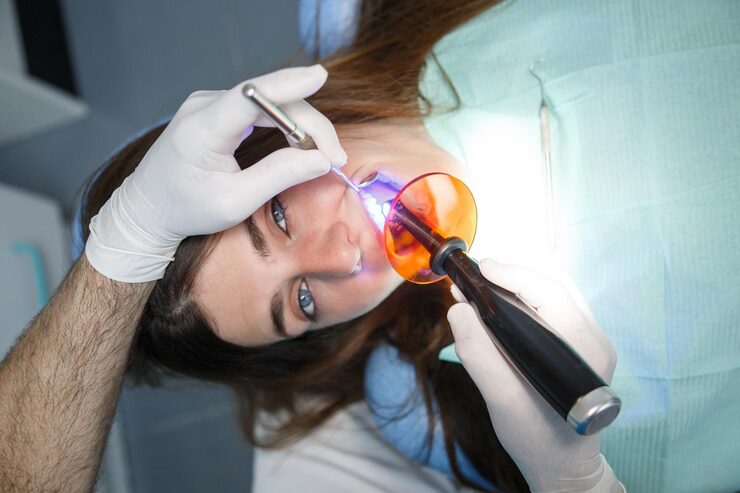
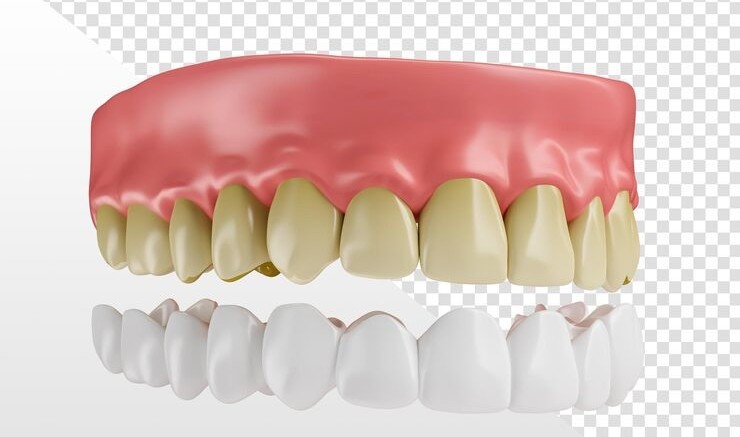
Teeth whitening uses whitening products to reduce certain stains and lighten the colour of natural teeth. It may help with staining caused by coffee, tea, certain foods, tobacco, or age-related changes.
Whitening does not change the shape or size of a tooth. It also does not whiten dental restorations such as crowns, veneers, or some fillings in the same way as natural teeth.
Some people may experience temporary tooth sensitivity or gum irritation after whitening.
What Are Veneers?
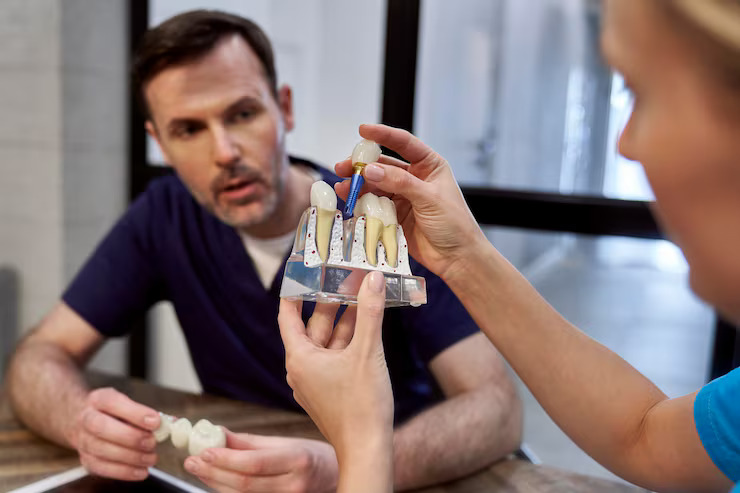
Veneers are thin coverings placed over the front surface of a tooth. They can be used to change the appearance of teeth with certain concerns involving colour, shape, size, or minor unevenness.
Unlike whitening, veneers cover the visible surface rather than simply changing the colour of the natural tooth.
Veneers may be considered for concerns such as:
- Certain deep or difficult-to-remove stains
- Small chips or worn edges
- Minor changes in tooth shape
- Certain size or spacing concerns
- Teeth that do not respond well to whitening
The suitability of veneers depends on the condition of the teeth and the desired changes.
Veneers vs Whitening: What Is the Difference?
The key difference between veneers and whitening is what each treatment changes.
| Veneers | Teeth Whitening |
| Covers the front surface of a tooth | Lightens the colour of natural teeth |
| Can change certain aspects of tooth shape and size | Does not change tooth shape or size |
| May address some stains that do not respond well to whitening | Works best on certain types of natural tooth stains |
| Treatment involves placing a restoration on the tooth | Uses a whitening product to reduce stains |
| Requires ongoing care and may eventually need replacement | Whitening effects can fade over time |
Neither option is suitable for every smile. A dental assessment can help determine which approach matches the concern.
Do Veneers Last Longer Than Whitening?
Veneers generally remain in place for several years when properly cared for, but they are not permanent and may eventually need replacement.
Whitening results are temporary and can fade as new stains develop or as the natural tooth colour changes over time. How long the effect lasts can depend on diet, oral hygiene, smoking, and other habits.
Because veneers and whitening serve different purposes, durability alone should not determine the choice.
How to Choose Between Veneers and Whitening
The question of how to choose between veneers and whitening starts with identifying the main concern.
Whitening may be worth discussing when:
- The main concern is tooth colour.
- Natural teeth have certain surface or age-related stains.
- The teeth are generally healthy.
- No major changes to tooth shape are needed.
Veneers may be considered when:
- The concern involves both appearance and tooth shape.
- Certain stains do not respond well to whitening.
- Minor chips or uneven edges affect the appearance.
- A change in tooth size or shape is desired.
A dental clinic in Bridgeland can examine the teeth and discuss the benefits, limitations, and maintenance needs of each option.
Which Option May Suit Your Smile?
There is no single treatment that works for every cosmetic concern. Whitening focuses mainly on colour, while veneers can address several visible features of a tooth.
A dental clinic near you can check the condition of the teeth and gums before cosmetic treatment. This assessment can help determine whether whitening, veneers, or another option is appropriate.
Find the Right Option for Your Smile!
Choosing between veneers and teeth whitening depends on what you want to change and the condition of your teeth. A dental visit can help check your teeth and explain what each option can and cannot do. Your dentist can also explain the treatment, care needed, and factors that may affect the results.
Schedule a consultation with Bridgeland Crossings Dental to explore your cosmetic treatment options and create a plan based on your individual smile needs.
FAQs
Are veneers worth it compared to whitening?
It depends on the concern being treated. Whitening may be suitable when the main goal is to reduce stains and brighten natural teeth. Veneers may be considered when changes to tooth colour, shape, size, or minor surface concerns are also needed.
How long do porcelain veneers last?
Porcelain veneers can last for many years with good care, but they do not last forever. How long they last can depend on your oral hygiene, biting habits, dental health, and regular dental visits.
Can you whiten teeth after getting veneers?
Whitening products do not change the colour of porcelain veneers. Natural teeth may become lighter with whitening, creating a shade difference between the teeth and the veneers. Whitening is often planned before veneers when appropriate.
Does teeth whitening work on stained or discoloured teeth?
Whitening can help reduce certain types of stains and discolouration on natural teeth. However, it may not work equally well on every type of stain. Deep discolouration, some medication-related stains, and dental restorations may require other treatment options.
Is professional whitening better than at-home whitening?
Professional and at-home whitening can both help reduce certain stains, but they differ in the products, strength, supervision, and treatment process used. A dental assessment can help determine which option is appropriate based on the type of staining and the condition of the teeth.