
Oral cancer can develop without causing pain or clear warning signs in the early stages. Small changes, such as a sore that does not heal, a red or white patch, or a lump inside the mouth, may be easy to miss. Regular dental checkups give your dentist a chance to look for these changes and check the health of your mouth. An oral cancer screening in Bridgeland, AB, can help identify unusual signs that may need further testing. Knowing what happens during a screening, who may need one, and what signs dentists look for can help you take better care of your oral health.
What Is an Oral Cancer Screening?
An oral cancer screening is a quick visual and physical examination of the mouth, lips, and surrounding areas. It is not a diagnosis. The goal is to identify tissue changes that may require closer attention.
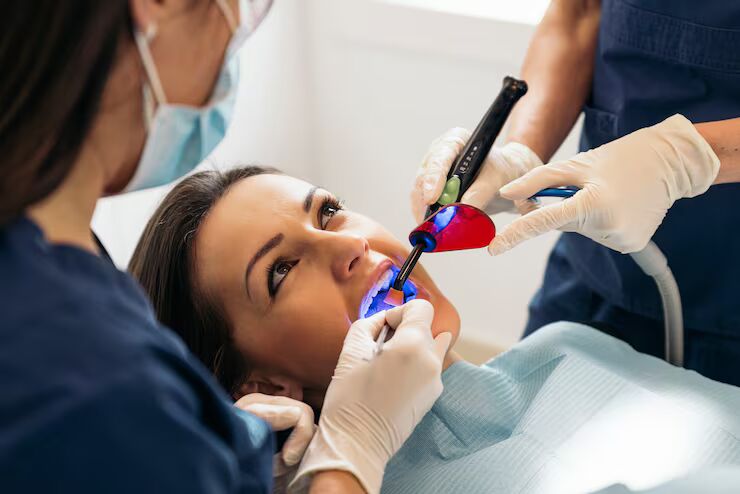
What Happens During the Exam
The screening is painless, usually takes only a few minutes, and follows a simple sequence.
Visual Inspection
The dentist looks at the lips, gums, tongue, inner cheeks, roof and floor of the mouth, and the back of the throat, checking for discolouration, sores, or swelling.
Physical Examination
Next comes a manual exam. Your dentist will wear gloves to press gently around the inside of your mouth, under your chin, and along your neck. They are feeling for swelling, unusual firmness, or soreness that isn’t visible on the surface.
Discussion and Follow-Up
If your dentist spots something out of the ordinary, they might schedule a follow-up to check it again or suggest a biopsy just to be safe. That said, most unusual findings turn out to be completely harmless, like a minor canker sore or raw skin from a rough tooth edge.
Who Should Have an Oral Cancer Screening?
Routine screening is recommended for all adults, but certain oral cancer risk factors make it especially important:
- Tobacco use, including cigarettes, cigars, and smokeless products
- Frequent or heavy alcohol consumption
- Human papillomavirus (HPV) infection
- Prolonged sun exposure, which raises the risk of lip cancer
- A previous diagnosis of oral cancer
- Age over 40
Regular checkups at a dental clinic in Bridgeland allow these screenings to happen consistently rather than only when a symptom appears.
Signs of Oral Cancer Dentists Look For
During the exam, dentists watch for warning signs such as:
- Red or white patches on the tongue, gums, or lining of the mouth
- A sore or ulcer that has not healed within two weeks
- Lumps, swollen patches, or unusual rough spots on your lips or inside your mouth
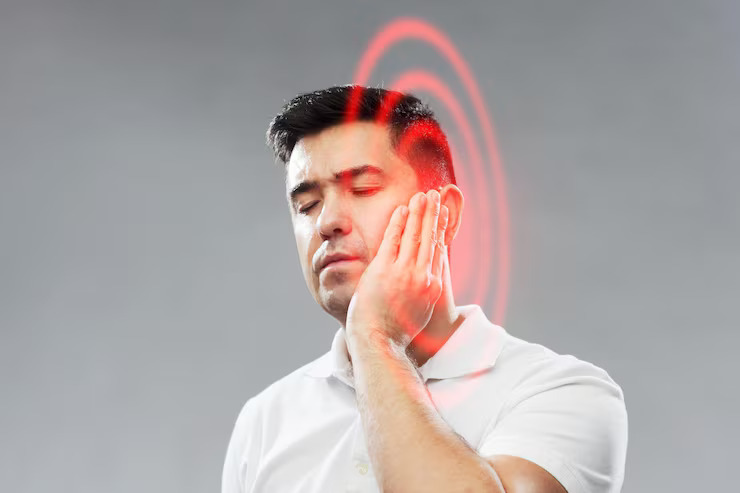
- Loss of feeling, unexplained pain, or persistent tenderness in your mouth, face, or neck
- Pain or stiffness when trying to chew, swallow, or move your tongue and jaw
- Teeth that suddenly feel loose, or bleeding in the mouth with no clear cause
Many of these symptoms have less serious causes, but screening helps catch persistent changes early, when treatment is simpler and more successful. If you notice one of these changes, contact a dental clinic near you rather than waiting for the next visit.
Ready to Book a Screening?
A screening takes only minutes and may be one of the most valuable parts of a dental visit. If you have not had one recently or have noticed a change in your mouth, contact Bridgeland Crossings Dental to schedule an appointment or book online. Saturday appointments and direct insurance billing are available.
FAQ’s
How often should an oral cancer screening be done?
Many dentists recommend one at least once a year for adults; people with higher risk factors may benefit from more frequent checks.
Does the screening hurt?
No, it is completely painless. The whole process consists of a basic visual check using a mirror and light, followed by light pressure around your mouth and neck to feel for swelling.
Can oral cancer be detected at a regular dental checkup?
Yes. Many dentists include a screening in every comprehensive exam, which is one reason routine visits matter even when the teeth feel fine.
What happens if the dentist finds something?
A suspicious area is usually monitored for a short period or referred for a biopsy, which is the only way to confirm whether a change is cancerous.